



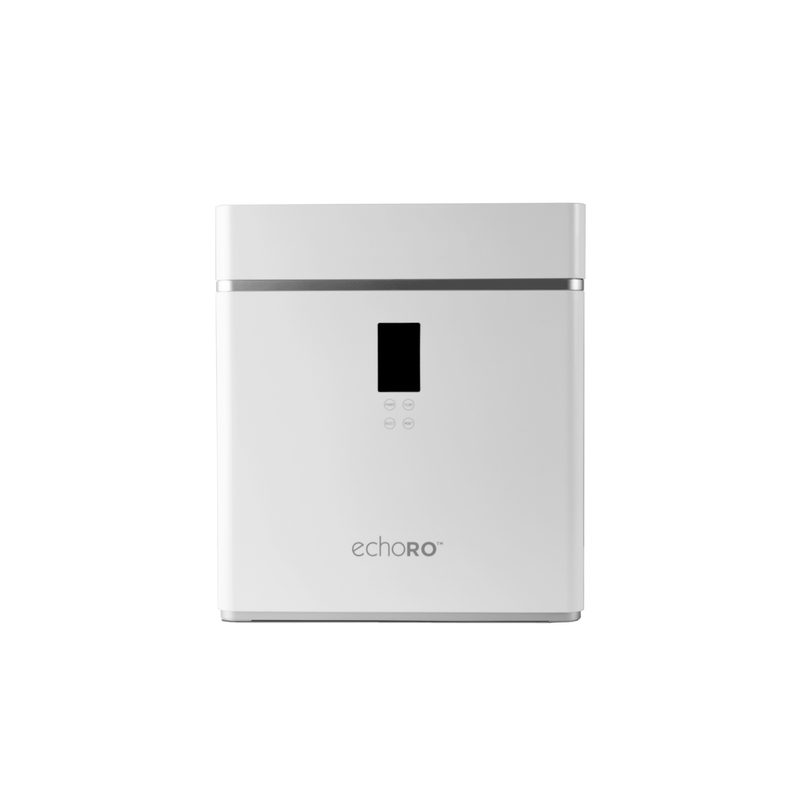


ECHO RO™ Tankless Reverse Osmosis Water Filter Machine
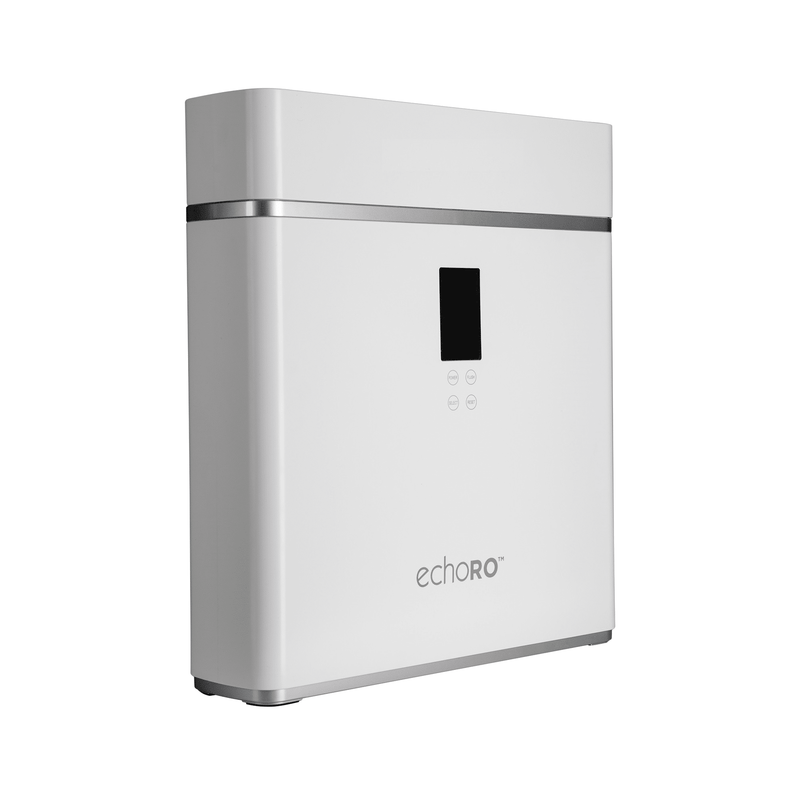
Four stages of reverse osmosis in a 4.25-inch-deep frame: no storage tank, no pressure bladder, nothing taking up the cabinet. It reduces up to 99% of contaminants on demand and sends water to a dedicated tap at your sink.
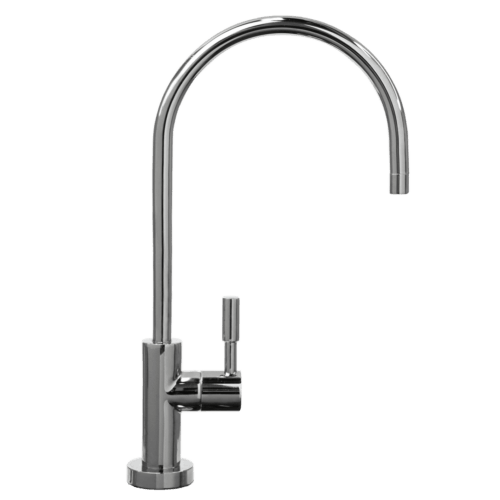
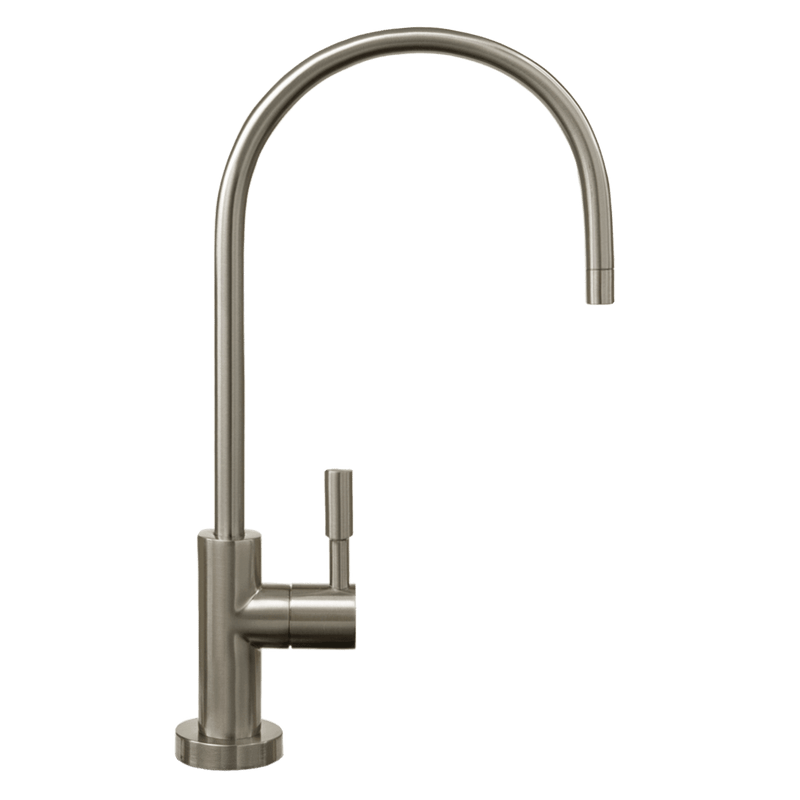
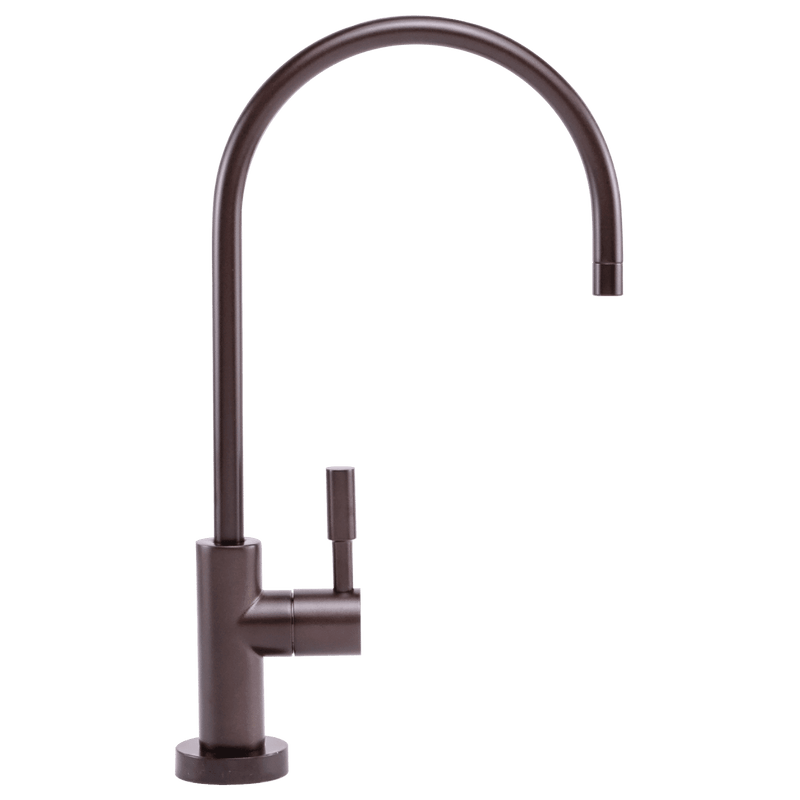
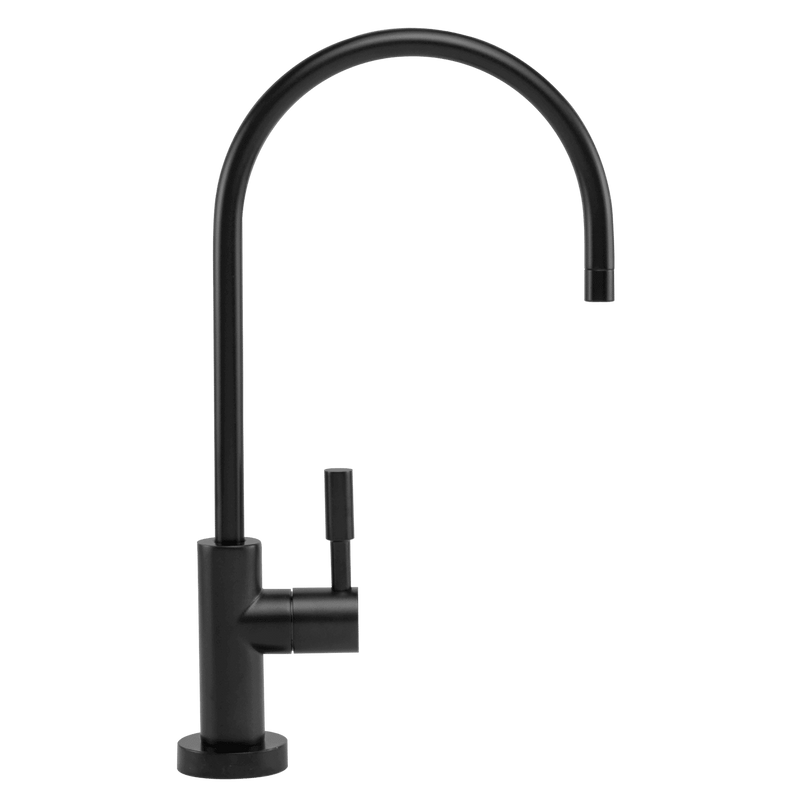
The RO faucet is a dedicated tap for purified water. It goes in a spare hole in the countertop and sits beside your primary faucet. Choose "no faucet" only if you already have one.
Full coverage on the machine and membrane housing, backed by our live, USA-based team. Plus 60 days to change your mind.
Currently on back order. Expected to ship October 2026. Order now to hold your place in the queue.
 60 Day Risk FREE
Money-Back Guarantee
 Live, USA-Based
Customer Service
 FREE Shipping
Contiguous US
 5 Year
Warranty



Reverse osmosis without the tank.
Conventional RO stores purified water in a pressurized tank that eats half the cabinet and sits still for days. The Echo RO makes water the moment you ask for it, in a frame 4.25 inches deep, so the space under your sink stays usable and every glass is made fresh.
Nothing stored
Water is purified on demand and goes straight to the tap. No tank to sit stagnant, no bladder to replace.
Four stages
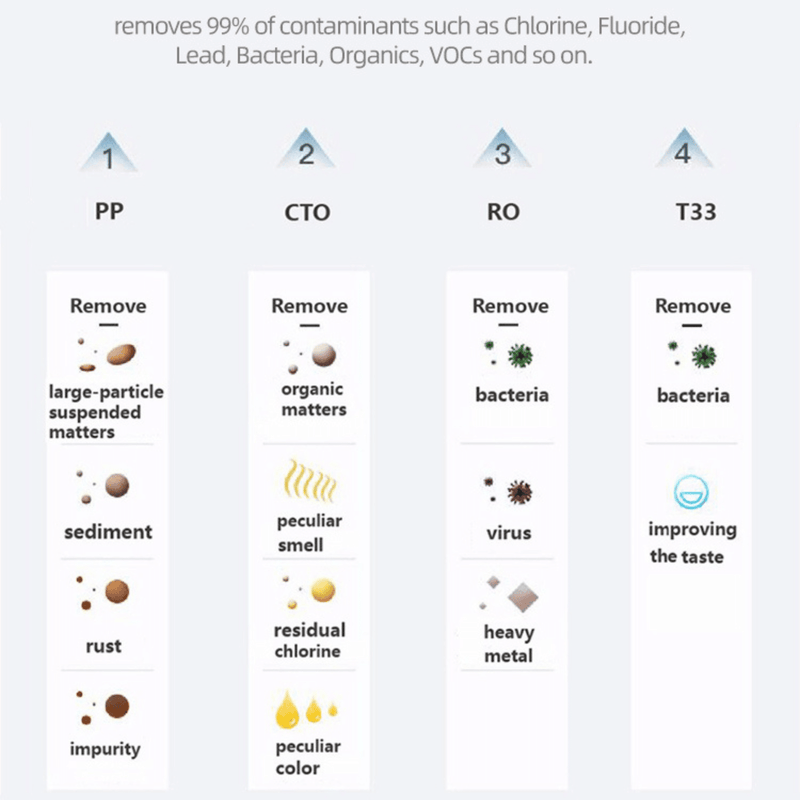
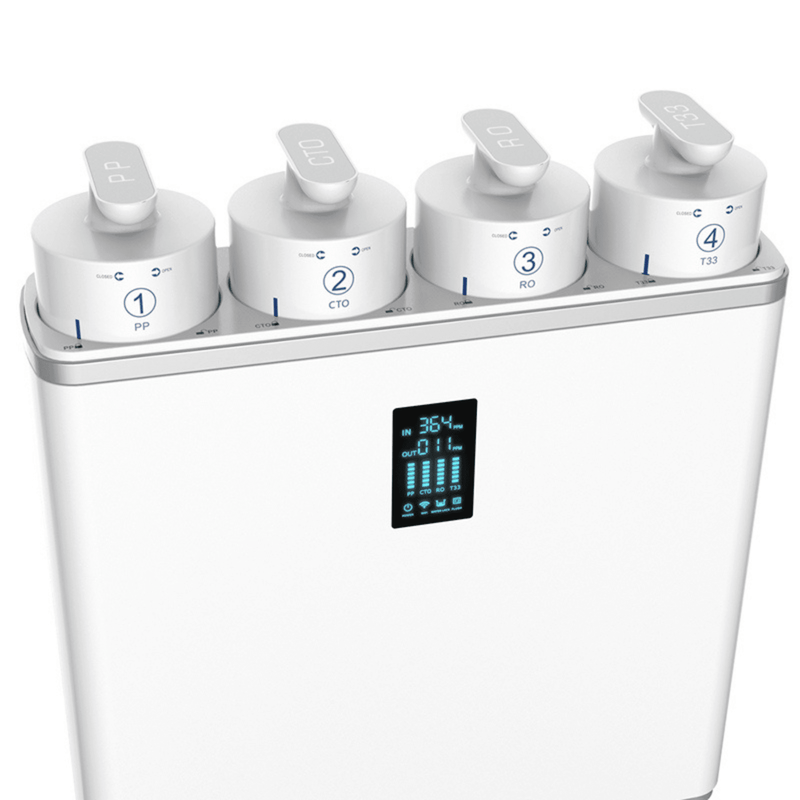
Sediment, carbon block, the RO membrane and a post carbon polish. Up to 99% of contaminants reduced.
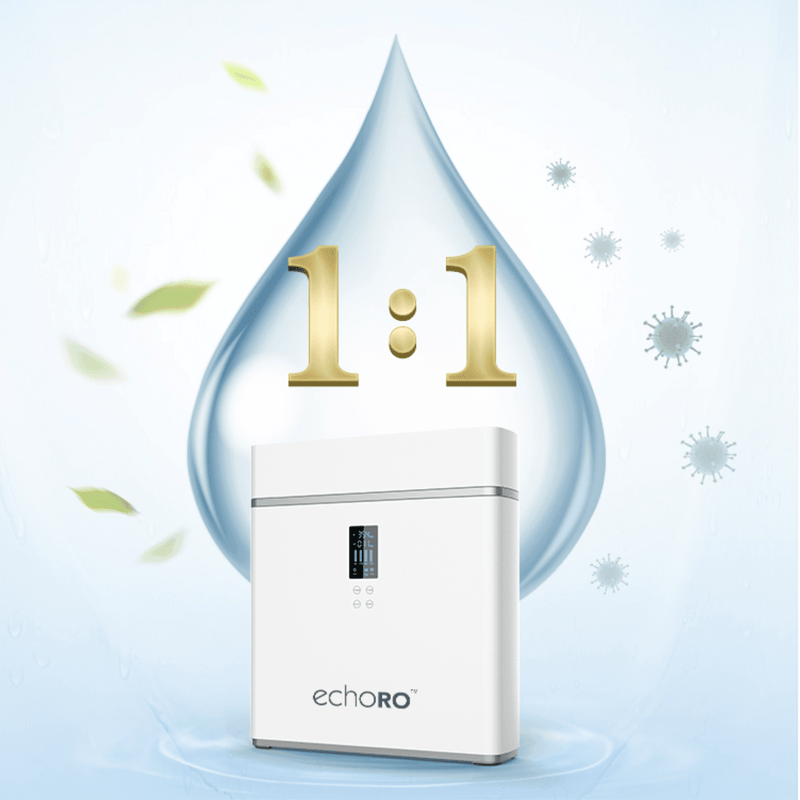
1:1 efficiency
A gallon of drinking water per gallon to drain, far tighter than the 3:1 and 4:1 ratios typical of older RO.
Twist to change
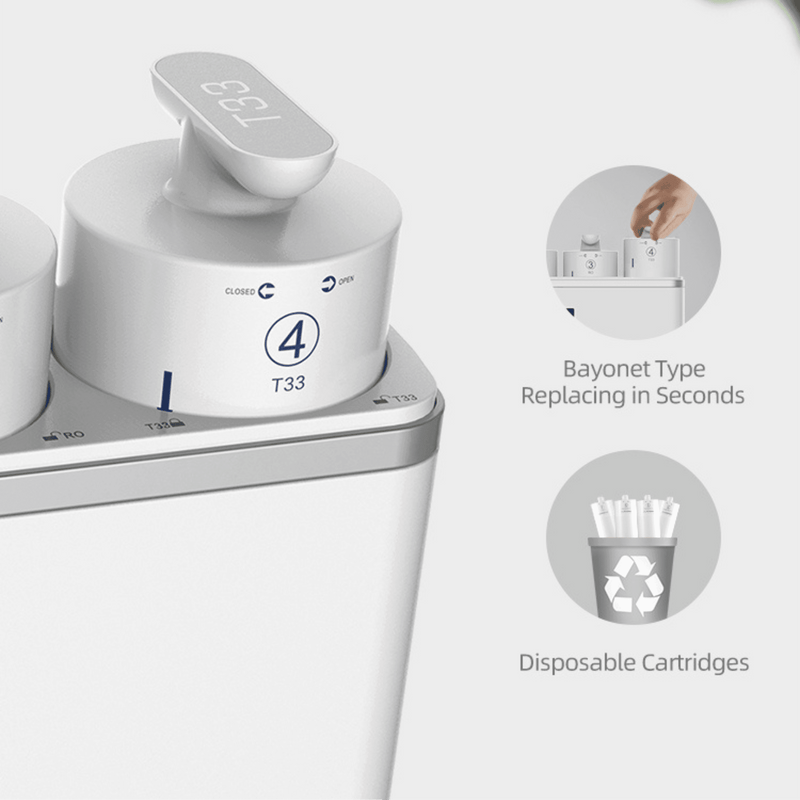
Bayonet cartridges quarter-turn out and in. No wrench, no housing to unscrew, no water shut-off drama.
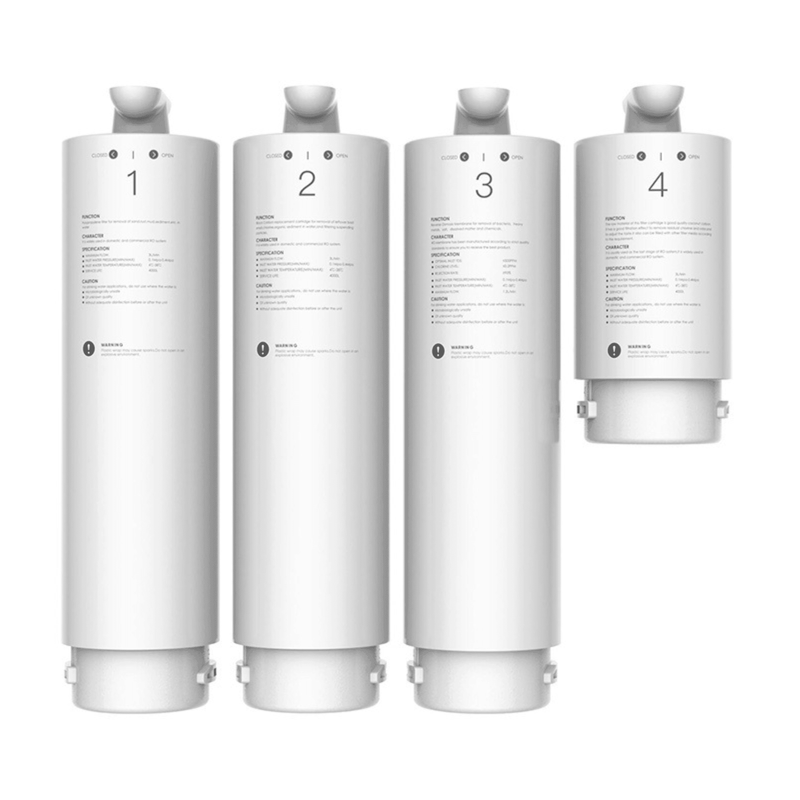
Four cartridges, in order.
Each stage hands cleaner water to the next. The membrane does the heavy lifting at 0.0001 microns, small enough to hold back dissolved lead, fluoride and PFAS-scale molecules.
Sediment
Catches rust, silt and particulate before it reaches the finer media, protecting everything downstream.
Carbon block
Takes out chlorine, chloramine and the taste and odor compounds that come with municipal treatment.
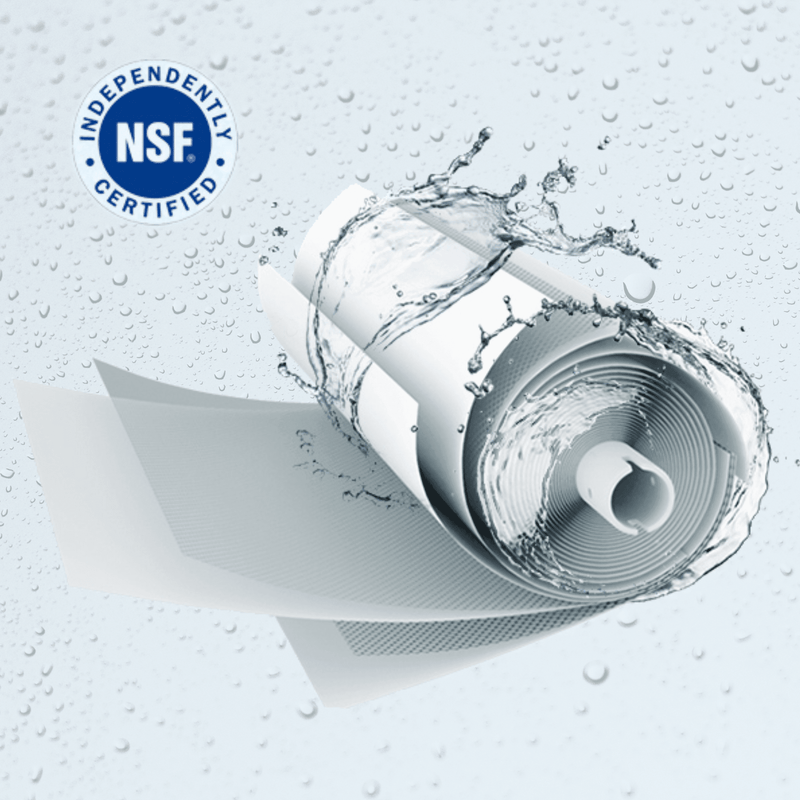
RO membrane
0.0001 microns. Dissolved lead, fluoride, nitrates, arsenic and other heavy metals stay on the reject side.
Post carbon
A final polish on the way to the faucet, so what lands in the glass tastes clean and neutral.

Slim enough to forget it's there.
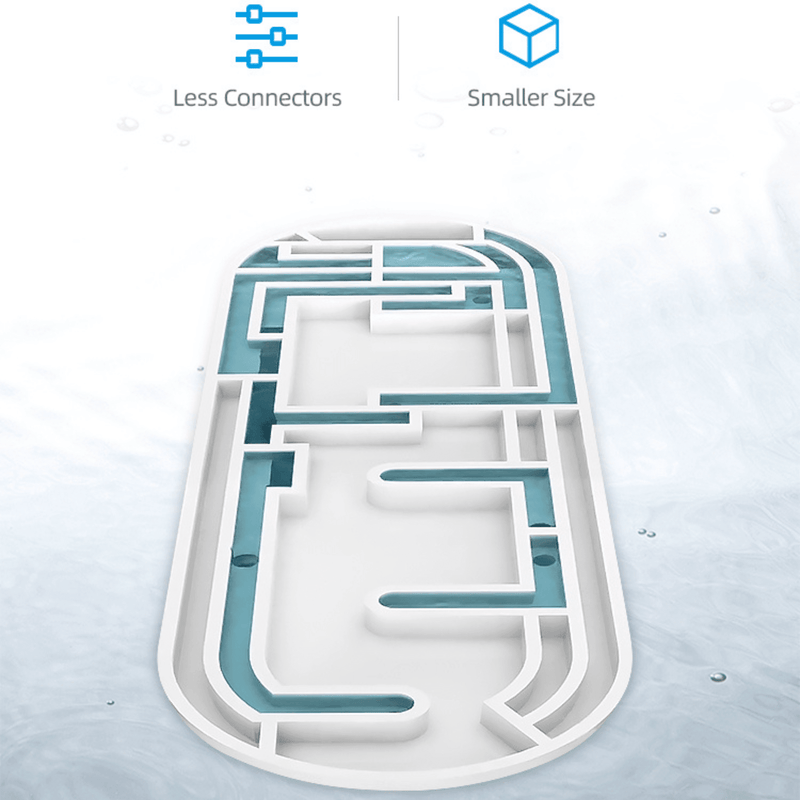
17.75 inches wide, 16 tall and only 4.25 deep. It stands against the back wall of the cabinet and leaves the rest of the shelf for what you actually keep there.
Water is made as it’s poured rather than stored, so nothing sits in a tank between glasses.
Fast enough to fill a bottle or a pot without standing there waiting for a tank to catch up.
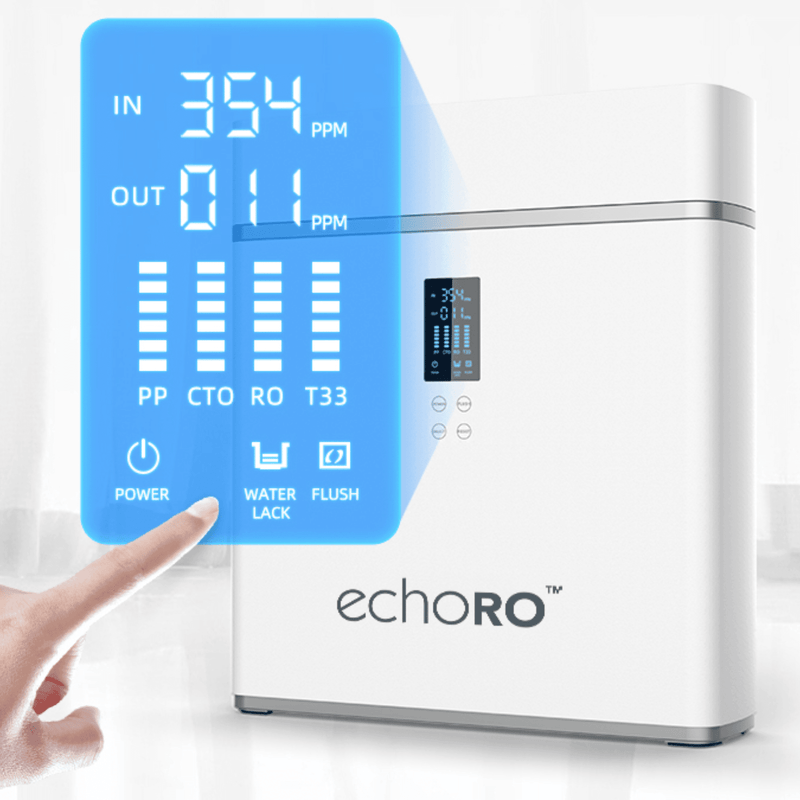
Shows status and cartridge life for each stage, so replacements happen on schedule instead of by guesswork.
Four twist-in filters accessible from the front: quarter turn to swap, no housing wrench, no shut-off.

Up to 99% of what you'd rather not drink.
Municipal water arrives treated, not pure. Reverse osmosis is the only household method that removes dissolved contaminants: the ones a carbon filter alone passes straight through.

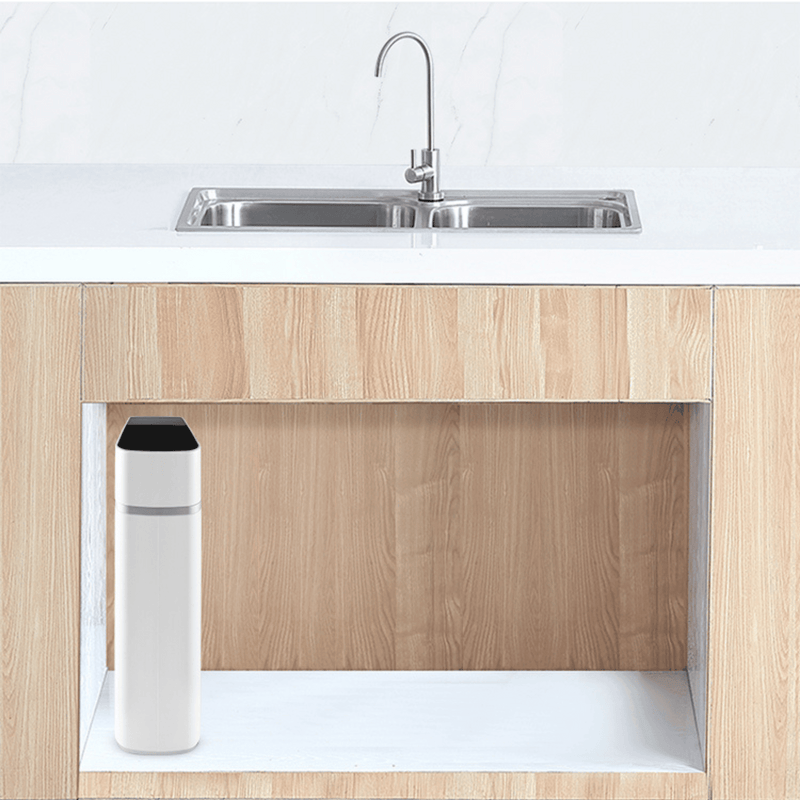
Under the sink, at the tap of your choosing.
The machine tees off the cold supply and runs to a dedicated faucet in a spare countertop hole. Most kitchens are a two-hour job; a plumber makes it thirty minutes.
Product Specifications
*Contaminant reduction, cartridge life and drain ratio vary with source water chemistry, pressure and usage. A dedicated faucet is required; choose a finish above or supply your own.

Frequently Asked Questions
What does tankless actually change? +
Conventional reverse osmosis fills a pressurized storage tank, typically a 3-gallon sphere that occupies most of the cabinet and holds water for days at a time. The Echo RO purifies on demand instead, so there is no tank to store, sanitize or replace, and the whole machine is 4.25 inches deep.
Do I need a separate faucet? +
Yes. RO water runs to a dedicated tap that goes in a spare hole in the countertop or sink deck, beside your primary faucet. Choose chrome, stainless or matte black above, or select “no faucet” if you already have a suitable one.
How much water goes to drain? +
The Echo RO runs at roughly a 1:1 ratio, about a gallon to drain per gallon of drinking water produced. Older RO systems commonly run 3:1 or 4:1.
How often do cartridges need changing? +
Sediment and carbon pre-filters are typically replaced every 6–12 months, and the RO membrane every 2–3 years depending on your source water. All four are bayonet-style: a quarter turn, no tools.
Does RO remove minerals too? +
Yes. Reverse osmosis removes dissolved solids indiscriminately, including beneficial minerals. Many owners pair it with mineral drops or an Echo hydrogen machine downstream; molecular hydrogen does not depend on mineral content.
Will it fit my cabinet? +
The machine is 17.75 in wide × 16 in tall × 4.25 in deep and needs a cold water connection, a drain saddle and a standard outlet. If you’re unsure about clearance, our team will walk through your cabinet with you before you order.
Can I use it with the Echo Flow or H2? +
Yes, and it’s a common setup. Run the RO first and the hydrogen machine after it, so the hydrogen cell receives purified water.
When will it ship? +
The Echo RO is currently on back order with an expected ship date of October 2026. Ordering now reserves your place in the queue.
Have questions? Speak to a Specialist.
Tankless reverse osmosis, 4-stage. Free contiguous US shipping, 60 day money back guarantee, 5-year warranty.